Rainwater Tanks in Tweed Heads
From the initial consultation through to ensuring compliance, we handle rainwater tank installations from start to finish. Discuss your requirements with us today!
Harvest Rain, Reap Rewards
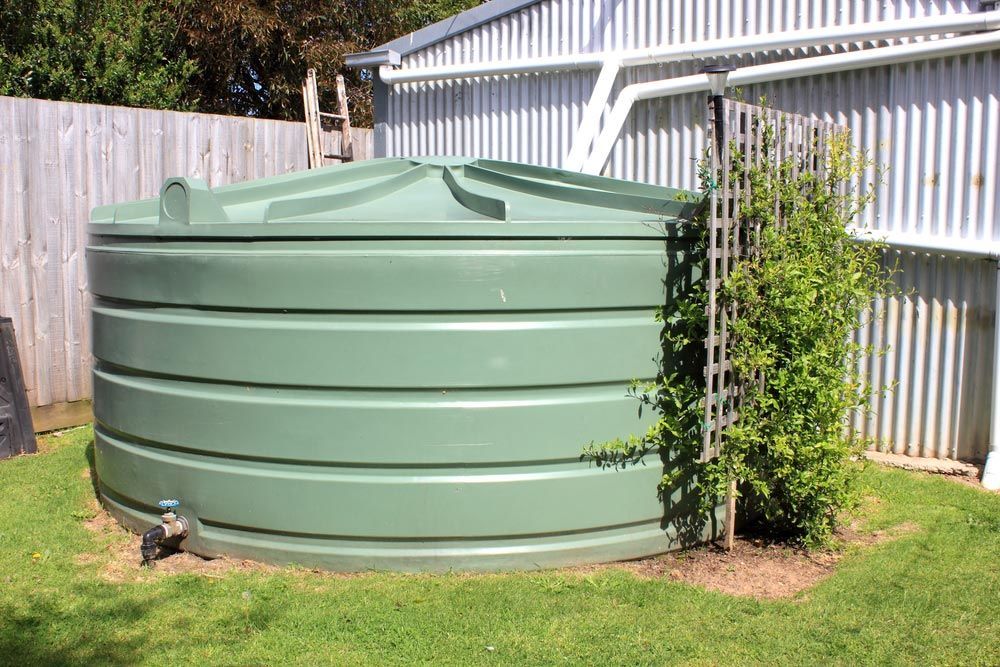
When it comes to ensuring a sustainable water supply for your property, rainwater tank installation is not just a smart choice – it's essential. At NSL Plumbing and Gas, we're masters at turning that quintessential drop from the sky into a reliable water resource for your home or business.
Imagine reducing your dependence on mains water, cutting down costs and doing your bit for the environment—all at the same time. Our rainwater tank installation service is designed to meet the unique needs of Tweed Coast property owners. We don’t just install tanks; we immerse ourselves in providing a complete solution that includes general plumbing, blocked drains, hot water, leak detection and laundry renovations. Whatever your water management needs, we've got you covered.
Take the first step towards smarter water usage. Call 0404 469 307 today for a consultation about rainwater tanks in Tweed Heads, Kingscliff, Pottsville, Coolangatta and the surrounding suburbs.
Expertise You Can Depend On
Efficient Water Solutions
Are you contemplating the shift to a more water-wise lifestyle? Rainwater tanks by NSL Plumbing and Gas is the way to go. We've broken down the process to show you how simple it can be:
- Consultation: Our experts assess your property to determine the best tank for your needs.
- Tailored Solutions: We customise the installation plan, keeping in mind your property layout and water requirements.
- Seamless Integration: NSL Plumbing and Gas ensures your new system works in harmony with your existing plumbing.
- Compliance Guaranteed: We navigate the regulations, so your installation is up to standard and environmentally sound.
- Long-term Support: Our service doesn't end at installation—we're here for maintenance and advice on optimal tank performance.
Choose NSL Plumbing and Gas for reliable rainwater tank installations that bring responsibility and integrity to every drop of water you collect. Call us now on 0404 469 307 to secure your sustainable water solution.
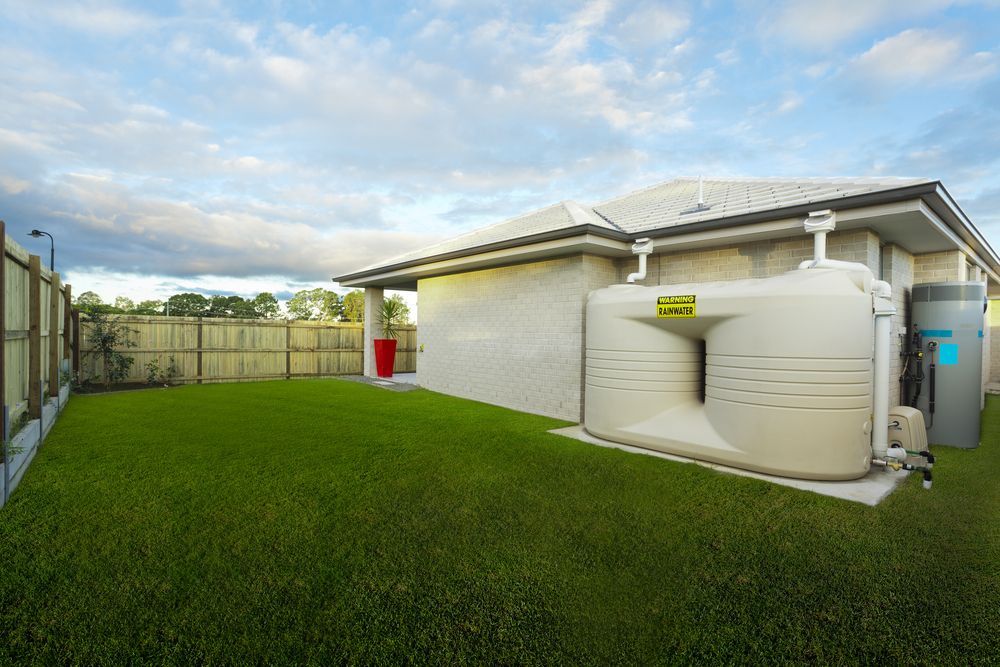
Smarter Use Of Rainfall
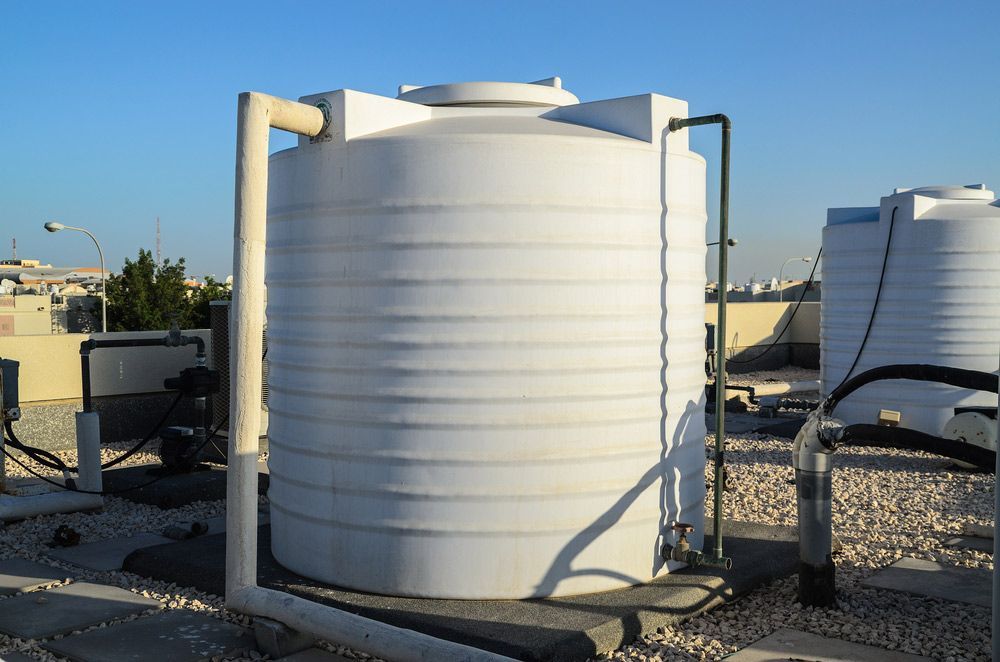
Rainwater tanks can do more than just collect water; they can change how a property manages supply day to day. When connected properly, stored water can support outdoor use, laundry systems or even ease demand on existing plumbing during peak periods.
Placement, pipe connections and overflow design all influence how well the a rainwater tank performs over time. It’s also common to uncover drainage considerations during installation, especially where stormwater flow or ground levels affect how water moves across the property.
Taking these factors into account helps rainwater tanks work as a practical part of the home, rather than just an add-on, supporting more consistent and efficient water use throughout the year.
Frequently Asked Questions
What size rainwater tank do I need for my property?
The size of your rainwater tank depends on your property’s water usage and local rainfall patterns. Consider the number of people in your household, the size of your garden and how much rain your area receives.
What maintenance does a rainwater tank require?
Regular maintenance is essential for a rainwater tank to ensure the water remains clean and safe. This includes cleaning the tank, inspecting the roof catchment area, checking filters and maintaining the pump and plumbing connections. Periodic inspections by a plumber can help ensure everything is functioning properly.
How long will a rainwater tank last?
A well-maintained rainwater tank can last for many years, typically 20-30 years, depending on the materials and usage. Tanks made from durable materials like polyethylene, concrete or steel are designed to withstand the elements. Regular maintenance and care will help extend the lifespan of your tank.
What is the best location for installing a rainwater tank?
The best location for installing a rainwater tank is usually close to the downpipes of your roof, where rainwater is easily captured. It should also be on level ground, away from areas prone to flooding.
How do roof types and materials affect collected rainwater quality?
The type and condition of a roof can influence the quality of water collected in rainwater tanks. Materials such as metal or tile generally provide cleaner runoff compared to surfaces that may retain more debris.
Older roofs or those with accumulated dirt, leaves or bird activity can introduce contaminants into the system. First-flush devices and filters help manage this by diverting initial runoff away from the tank.
Understanding how roof conditions affect water quality allows for better system design, helping ensure collected water remains suitable for its intended use around the property.